
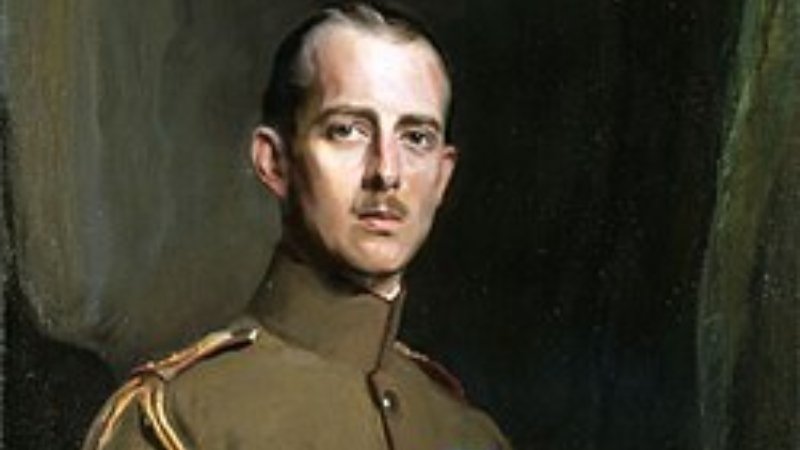
Prince Andrew of Greece and Denmark was born on February 2, 1882. He spent his early years at Tattoo Palace, a summer home near Athens. He was the fourth son of King George I of Greece and Queen Olga.
From a young age, Prince Andrew showed strong intelligence. He had a talent for languages. Although many languages were spoken in the royal family, he chose to speak only Greek with his parents. This showed his strong bond with Greece.
He received a formal education suited for royal and military duties. He studied at a respected cadet school in Athens, where he learned discipline and leadership. In 1901, at the age of 19, he joined the army, beginning his military career.
Military Career
Prince Andrew of Greece and Denmark took his military role seriously. It was not just a royal duty. He showed real commitment from the start. His training at the cadet school in Athens prepared him well. In 1901, he officially joined the army and advanced steadily through the ranks.
During the Balkan Wars, he returned to active service. These wars were key events in European history. Prince Andrew served with distinction and reached the rank of lieutenant colonel. His leadership and planning skills were clear in several campaigns.
His career faced a major challenge in 1921 during the Battle of Sakarya in the Greco-Turkish War. He refused an order he believed would put his soldiers in danger. This decision showed his integrity but had serious consequences. He was arrested, court-martialed, and later exiled from Greece.
Legacy and Impact
Prince Andrew of Greece and Denmark was not as well known as some of his contemporaries, but he left a lasting impact on European royalty. His life, shaped by both privilege and hardship, reflects the challenges and complexities of royal life in 20th-century Europe.
Marriage and Family Life
Prince Andrew of Greece and Denmark met Princess Alice of Battenberg in London in 1902. They married in 1903, joining two major European royal families. The couple had five children four daughters and one son, Prince Philip, who later became the Duke of Edinburgh.
Their family life faced hardship due to political unrest in Greece. After Prince Andrew’s exile, the family fled the country and lived across Europe. Despite these challenges, their marriage showed strong loyalty and resilience.