
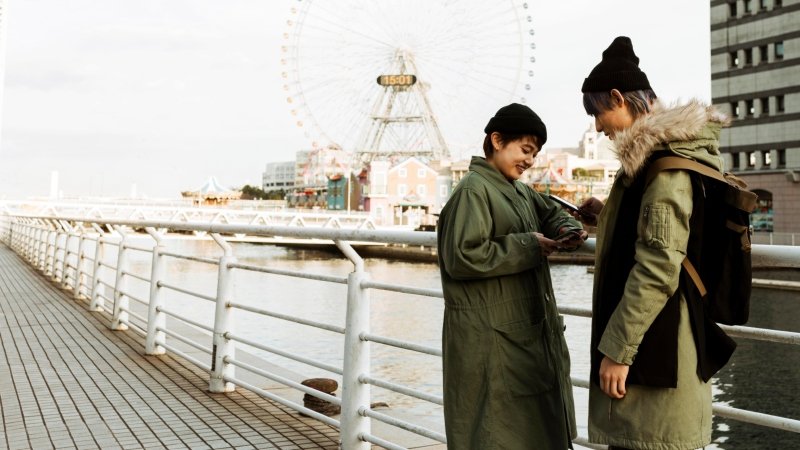
Tokyo is a place that has grown to embrace the very latest with the very old. In its arteries run neon-lit roads and high-speed trains, and in the same breath it speaks of tranquil temples and quiet residential areas that have changed little in generations; thus, it presents an experience for each and every kind of traveler. But also the city is a large and dynamic one, which at times may be too much to take in, particularly when travelers are toting suitcases while they wait to check into their hotel or they are trying to catch that late-night flight. To get around better and get out of the experience, which is that much more worthwhile, it is best to have a plan and know how the city moves.
One of the issues that travelers first deal with is what to do about their luggage. Many guests who show up early or leave late look to luggage storage Tokyo options to go in with no set itineraries, which is also a typical issue for people to deal with when they have a short amount of time in the city and which, by planning in advance, can be avoided.
Getting Oriented in Tokyo
Tokyo is made up of 23 special wards, which each have their own flavor. In Shinjuku and Shibuya visitors will see very energetic action, great shopping, and lively nightlife play out, while at the same time Asakusa puts travelers in the past with its temples and traditional areas. Also there is Ueno, which is a hit for museums and parks, and Ginza, which is known for high-end shopping and dining.
Public transport is the lifeblood of the city. The JR Yamanote Line, which is the main transit circuit in central Tokyo and which also puts major points of interest on the same page, is very reliable for out-of-town guests. Although the subway system is large-scale, at first it may be a little confusing to the foreign traveler, but with the help of the English info signs and applications like Google Maps that issue detailed directions, that issue is a small one. As travelers move between areas, they should try to pack light, which in turn will improve comfort levels greatly, including during off-peak and especially peak commuting times.
Making the Most of Time Between Check-In and Check-Out
Hotel check-in in Tokyo is in the mid-afternoon,noon, and check-out is before noon,, which in turn leaves many guests with a few hours of free time before they get checked in or after they check out. These hours may be spent going through crowded stations, narrow sidewalks,, and busy sites that do not add to the enjoyment of sightseeing.Hotel check-out early in the day also causes issues withth left luggage facilities,, which are either nonexistentor very expensive. Guests are often left with heavy suitcases in the middle of the action, which does not present a great picture.
To that end, travelers look into short-term storage options like what companies such as Radical Storage have to offer, which allows bags to be stored safely at key stations and in tourist areas. This also presents a more flexible travel option, which in turn allows guests to easily get in and out of the city yet still stay on track with what they have planned.
Top Attractions to Visit Without Luggage
Shibuya and Harajuku
Shibuya Crossing is the most popular of its kind in the world. In Harajuku travelers will find a young and vibrant atmosphere, which also includes strange and quirky fashion shops and Takeshita Street. Also in this area it is recommended that bags be left behind to avoid the crowds.
Asakusa and Sensō-ji
Sensō-ji Temple is the oldest in Tokyo and a must-see cultural landmark. Also, the area around the temple, which is Nakamise Street, has souvenir shops and food stalls, which travelers are encouraged to amble through at their own pace.
Ueno Park
Ueno Park has a variety of museums, a zoo, and also the cherry blossoms, which bloom in season. It is a great place for travelers that are into art, history, and natural settings. With the museums’ and park’s layout at their disposal, visitors may also leave their hands free.
Practical Travel Tips for Tokyo
- Cash and Cards: While Tokyo has become more of a card-friendly place, small shops and local restaurants still prefer cash.
- Timing Matters: Roads should be avoided during rush hour (7:30–9:30 AM and 5–7 PM).
- Station Lockers: Coin-operated lockers are available but may fill up fast in busy areas.
- Connectivity: Rental of a pocket Wi-Fi or eSIM is recommended for trips.
When lockers aren’t available or are a poor option, luggage storage services present a practical solution. At Radical Storage, many international travelers use the service for its convenient locations near transit centers.
Comparing Luggage Storage Options
Tokyo has a number of temporary luggage storage options. Coin lockers are the preponderant choice; that said, size and availability issues do present. Hotel concierge services are a help, which is for a limited time. Also, independent luggage storage facilities, which can be accessed directly, are a great option, in particular for travelers using many areas of the city in one day.
Other services travelers may also see include Usebounce, Stasher, and LuggageHero. These offer similar solutions, but availability and coverage depend on the city and time of year.
Enjoying Tokyo at One’s Own Pace
In the end Tokyo rewards those who travel with a plan but also with the flexibility to go with the flow. This means moving in a more comfortable way, which in turn allows visitors to better enjoy the city’s food, culture, and atmosphere. At a sushi bar in Tsukiji, on a walk by the Sumida River, or while exploring the small streets of Shimokitazawa, comfort is a key element in the overall experience.
By the time travelers arrive at their destination, having a grasp on transport options, the best times to travel, and practical aspects like luggage will turn even a short stay or a long stay into amazing experiences. In Tokyo, which is a metropolis built for movement, the less that is carried, the more that will be seen.