
In the contemporary digital landscape, makeup shopping has undergone a major transformation as consumers increasingly turn to online platforms to purchase beauty products. This shift is largely driven by convenience, broader product availability, and the continuous improvement of digital shopping experiences. The growing popularity of makeup online shopping also reflects how consumers value accessibility, product variety, and the ability to compare options more efficiently. As a result, the beauty industry has evolved into a more accessible, technology-driven marketplace that caters to modern consumer expectations.
The Growth of Makeup E-Commerce
E-commerce has reshaped global retail, and the cosmetics industry has been significantly influenced by this change. Online beauty platforms have become central hubs for consumers seeking makeup and skincare products. These platforms provide extensive product catalogues, streamlined navigation systems, and detailed product descriptions that make browsing efficient and informative.
Unlike traditional retail stores, online platforms are not limited by physical shelf space. This allows them to offer a wider variety of brands, product lines, and price ranges. As a result, consumers are able to explore a more diverse selection of products in one place, making online shopping an increasingly preferred option.
Expanded Product Variety and Accessibility
One of the most significant advantages of online makeup shopping is the vast range of products available at a consumer’s fingertips. Shoppers can access international and local brands, niche cosmetic lines, and newly released collections without geographical limitations. This accessibility allows users to explore products that may not be available in physical stores.
In addition, online platforms enable easy comparison between different items. Consumers can evaluate multiple products side by side, examine formulations, and review pricing structures. This comparative ability supports more informed purchasing decisions and encourages a more thoughtful approach to beauty consumption.
Detailed Information and Consumer Reviews
Online makeup platforms offer comprehensive product information that is often more detailed than what is available in physical retail environments. Ingredients, usage instructions, and product benefits are clearly displayed, allowing consumers to understand what they are purchasing.
Customer reviews play an equally important role in shaping buying decisions. These reviews provide real-world feedback on product performance, texture, longevity, and suitability for different skin types. By combining brand-provided information with user-generated insights, consumers are able to make more confident and informed choices.
Personalisation and Smart Search Features
Modern beauty platforms utilise advanced technologies to personalise the shopping experience. Algorithms analyse user behaviour, previous purchases, and browsing patterns to generate tailored product recommendations. This personalisation helps users discover products that align with their preferences and needs.
Search and filtering tools further enhance the user experience. Consumers can refine searches based on criteria such as brand, price range, skin type, formulation, or specific product features. These tools reduce browsing time and allow for a more efficient and targeted shopping process.
Influence of Social Media on Consumer Behaviour
Social media platforms such as Instagram, TikTok, and YouTube have become powerful drivers of consumer behaviour in the beauty industry. Influencers and content creators regularly share makeup tutorials, product reviews, and skincare routines that reach large audiences.
These platforms play a major role in shaping trends and introducing new products to the market. Viral content and influencer endorsements often lead to increased product demand, while user-generated content builds trust and encourages community engagement. As a result, social media has become closely linked with the growth of online makeup shopping.
Ethical and Sustainable Beauty Choices
As environmental awareness continues to rise, many consumers are prioritising ethical and sustainable beauty products. Online makeup platforms have responded by highlighting products that are cruelty-free, vegan, or environmentally friendly.
Advanced filtering options allow users to easily identify products that align with their values. This supports more responsible consumer behaviour and encourages brands to adopt sustainable practices. The growing emphasis on ethical consumption reflects a broader shift in consumer priorities within the beauty industry.
Challenges in Online Makeup Shopping
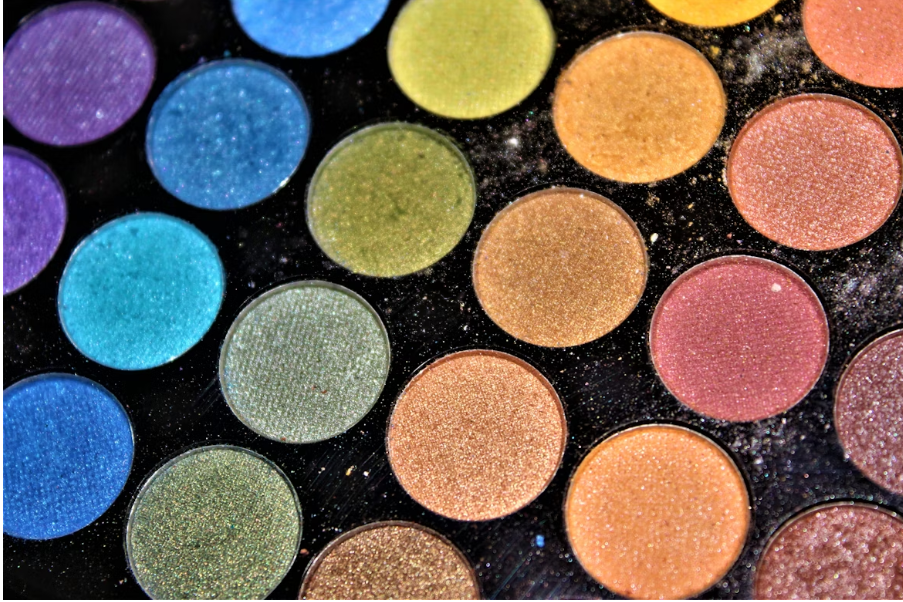
Despite its many advantages, online makeup shopping also presents certain challenges. One of the most common issues is the inability to physically test products before purchasing. Colours, textures, and finishes may appear differently on digital screens compared to real-life applications.
This discrepancy can sometimes lead to dissatisfaction when products do not match expectations. However, online retailers have introduced solutions such as detailed shade guides, virtual try-on tools, and generous return policies to address these concerns and improve customer satisfaction.
Security and Customer Support Systems
Security is a critical aspect of online transactions in the beauty industry. E-commerce platforms implement encryption technologies to protect customer data and ensure safe payment processing. These measures help maintain consumer trust and safeguard sensitive information.
In addition to security features, customer support services play an important role in enhancing the shopping experience. Live chat systems, help centres, and automated chatbots assist with product enquiries, order tracking, and issue resolution, ensuring smooth and reliable service.
The Future of Makeup Online Shopping
The future of online makeup shopping is expected to be shaped by continued technological innovation. Artificial intelligence is likely to play a larger role in providing personalised beauty recommendations, while biometric technologies may offer more precise skincare and cosmetic solutions.
Augmented reality is also expected to become more advanced, delivering even more realistic virtual try-on experiences. These developments will further bridge the gap between physical and digital shopping, creating a more immersive and personalised consumer journey.
Conclusion
Makeup online shopping has become a defining feature of the modern beauty industry. Through the integration of technology, expanded product accessibility, and enhanced user experiences, it has transformed how consumers discover and purchase beauty products. As innovation continues, the digital beauty marketplace is expected to become even more personalised, interactive, and influential in shaping future consumer behaviour.